The New Wardrobe Challenge
Hybrid work has created a genuine wardrobe problem that no previous generation had to solve: dressing appropriately for a morning video call, a midday gym session, an afternoon client meeting, and an evening social commitment — without going home between each. The old solution of maintaining separate formal and casual wardrobes no longer works when your day spans all contexts in sequence.
The athleisure-to-office wardrobe is not about wearing gym clothes to work meetings — it is about building a collection of pieces that occupy the territory between athletic and professional, comfortable and polished. Several brands have recognized this need and built entire lines around it, but you do not need to shop a specific collection; you need to understand the principles.
The Pieces That Bridge the Gap
- Stretch chinos or tailored joggers — clean silhouette with athletic comfort, works for commuting and office meetings equally
- Polo shirts in performance fabric — professional enough for most casual offices, comfortable enough for physical activity, machine washable
- Minimalist sneakers with leather or leather-look detailing — provides the comfort of athletic footwear in a visual register that reads as intentional
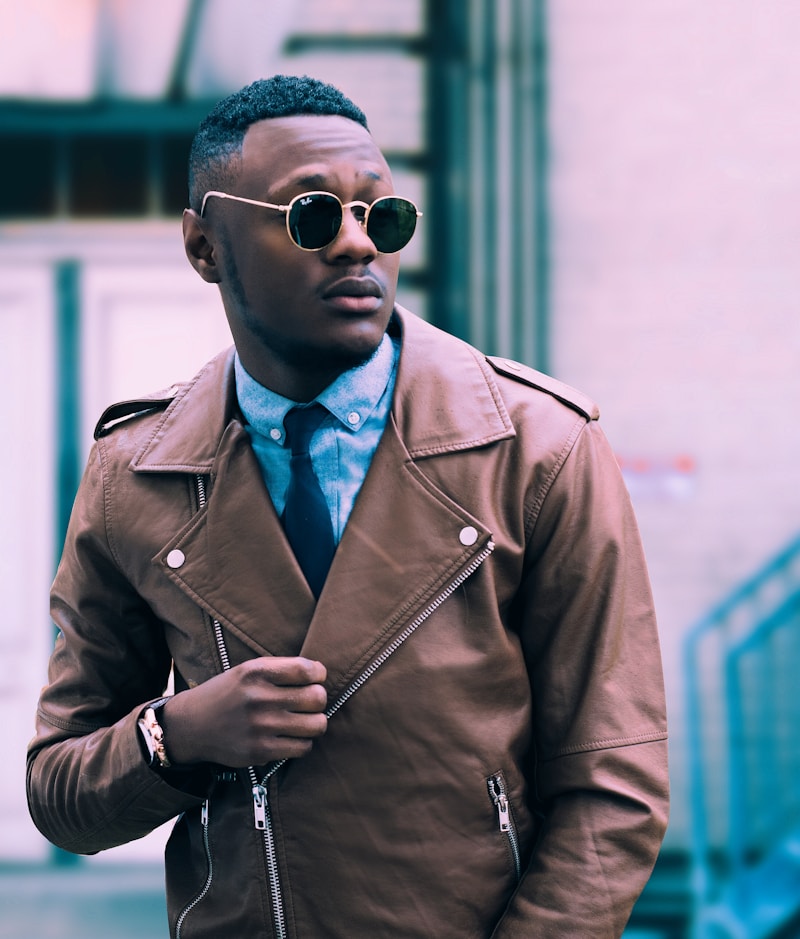
- Structured bomber or track jacket — elevates an otherwise casual outfit, transitions from outdoor commuting to indoor meetings
- Dark, slim-cut athletic shorts with a clean hem — appropriate for gym to casual social, not for office unless your office culture is extremely casual
The key distinction between athleisure that works and athleisure that does not is construction and detail quality. Lululemon's ABC pants have found their way into professional offices because they are indistinguishable from tailored trousers at a glance while being as comfortable as sweatpants in function. The fit is clean, the fabric does not pill, and there are no obvious gym-origin details. That is the standard every athleisure-to-office piece should meet.
Layering Strategy for Multi-Context Days
Start from the inside out with the most athletic layer and build outward toward the more professional. A moisture-wicking base layer under a clean performance T-shirt under a structured bomber jacket gives you options: remove the outer layer for the gym, keep it on for transit and meetings. The jacket carries the professional signal; what is under it is secondary.
Color coordination matters more when you are layering pieces from different stylistic registers. A navy structured jacket over a grey performance tee and dark chinos reads as intentional and coherent. The same jacket over a bright orange gym tee reads as a clash. Stick to the same tonal family across layers when mixing athletic and tailored pieces.
When Athleisure Does Not Work
Not every professional context accommodates athleisure, and recognizing when it does not is as important as knowing when it does. Client-facing formal meetings, presentations to senior leadership, and industry events with conservative dress codes still require traditional professional or smart-casual dressing. A hybrid wardrobe needs to include some fully traditional professional options for these occasions rather than trying to push athleisure beyond its limits.
Final Verdict
The hybrid era wardrobe rewards investment in pieces that perform in multiple contexts: stretch chinos, performance polos, versatile footwear, and clean-looking layering pieces with athletic construction. Build around these and supplement with fully traditional options for formal contexts. The goal is eliminating the daily friction of getting dressed for a complicated schedule — not eliminating professionalism when the situation genuinely calls for it.