Why Clothes Make People Anxious as Gifts
Clothing is deeply personal — it reflects body image, personal style, and identity in ways that make it high-stakes as a gift. A clothing choice that misses implies you do not know the person well, or worse, that you are projecting your own taste onto them. The failure mode is visible in a way that a bad book recommendation or an unwanted kitchen gadget is not — the recipient has to decide whether to wear it to seem grateful, or explain why they are returning it. This is why people default to gift cards, which solve the anxiety but eliminate the magic.
How to Choose Clothing for Someone Else
The foundation of good fashion gifting is observation, not guessing. People who dress with any degree of intentionality tell you everything you need to know about their taste by what they already own and wear. Note the colors they default to, the silhouettes they consistently choose, the level of formality or casualness they maintain across different contexts. A gift that reflects genuine attention to these signals is one of the most thoughtful things you can give someone — it demonstrates that you see them as they are.
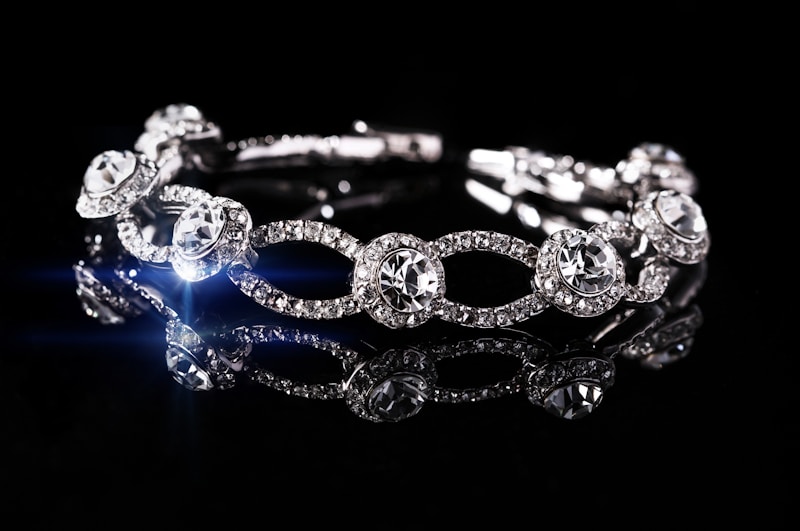
Accessories are the gift category that carries the least risk and the highest success rate. Accessories do not need to fit in a size-specific way, and they complement rather than replace existing pieces, which makes them easier to integrate than garments. A well-chosen scarf, hat, or piece of jewelry that aligns with someone's aesthetic and is genuinely good quality will be used and appreciated for years. Platforms like Makemesurprise are specifically curated around the gifting context, which means the selection is edited with the recipient experience in mind.
Sizing Without the Awkwardness
- Check the labels on clothing the person already owns — brand and size labels give you a starting point
- Err toward larger when in doubt — returning because something is too small is more uncomfortable than returning because it is slightly too big
- Include a gift receipt without comment — this removes the obligation to keep something that does not work
- If you know the person's tailor or seamstress, a clothing gift paired with alteration funding is genuinely thoughtful
- Items with adjustable elements — belts, drawstrings, stretch fabrics — reduce the fit risk substantially
The Power of Gifting Something They Would Not Buy Themselves
The most memorable fashion gifts are often the ones that push the recipient slightly beyond their own comfort zone in exactly the right direction. People typically apply self-editing when shopping for themselves — discarding things that feel too bold or too expensive or too different. A gift liberates the recipient from that internal editor, and when the item is well-chosen, it becomes a catalyst for developing personal style in a direction they had not quite given themselves permission to go.
Makemesurprise's curation focuses precisely on this intersection — fashion gifts that feel personal and considered rather than generic. The editorial selection process filters out the obviously safe and obvious choices and presents things that actually have the potential to surprise and delight. For someone who wants to give a gift that communicates genuine thought, this kind of curated destination is significantly more useful than a general fashion retailer where you are navigating an overwhelming amount of inventory alone.
When a Gift Card Is Actually the Right Answer
There are cases where a gift card — or a shopping appointment together — is genuinely the better gift. When you do not know someone well enough to read their aesthetic, when they are going through a significant life change that is affecting their relationship with their wardrobe, or when they have expressed very specific desires you cannot confidently fulfill, the gift of agency beats the gift of a specific item. The key is giving the gift card with genuine intention rather than as a fallback, which changes how it is received entirely.
A well-chosen fashion gift says something that generic gifts cannot: that you paid attention, that you understand someone's taste, and that you thought specifically about them. That combination of observation and intention is the real gift — the garment or accessory is just the vehicle for it.