Why Most Capsule Wardrobes Fail
The capsule wardrobe concept — a small, versatile collection of quality pieces that combine endlessly — is genuinely appealing. The reality for most people who attempt it is a closet full of tasteful neutrals they never quite feel like wearing, alongside a growing pile of outfit-specific purchases they made because the capsule did not quite cover a real situation. The idea is right; the execution is usually wrong.
The problem is almost always that capsule wardrobes get built for an idealized lifestyle rather than the actual one. Countless guides recommend crisp white shirts, tailored trousers, and structured blazers for someone who spends their actual days in a hybrid work environment, weekend social events, and occasional outdoor activities. Dressing for the fantasy rather than the reality produces a wardrobe that sits unworn.
Start With a Lifestyle Audit
Before buying a single thing, spend a week noting what you actually wear. What contexts are you genuinely dressing for — office, casual social, formal events, outdoor activities? What is the rough frequency of each? Most people discover that two or three contexts account for 80 percent of their dressing occasions, and the capsule should be built primarily for those, with a small reserve for outliers.
Track also what you reach for instinctively versus what you avoid. The pieces you skip — even when they technically fit the occasion — are often telling you something about color preferences, comfort requirements, or stylistic direction that your stated preferences do not reflect. A capsule built around what you actually wear, rather than what you think you should wear, gets used.
The Core Pieces Framework
- 2-3 bottoms in neutral tones (dark jeans, chino trousers, tailored shorts or midi skirt depending on your context)
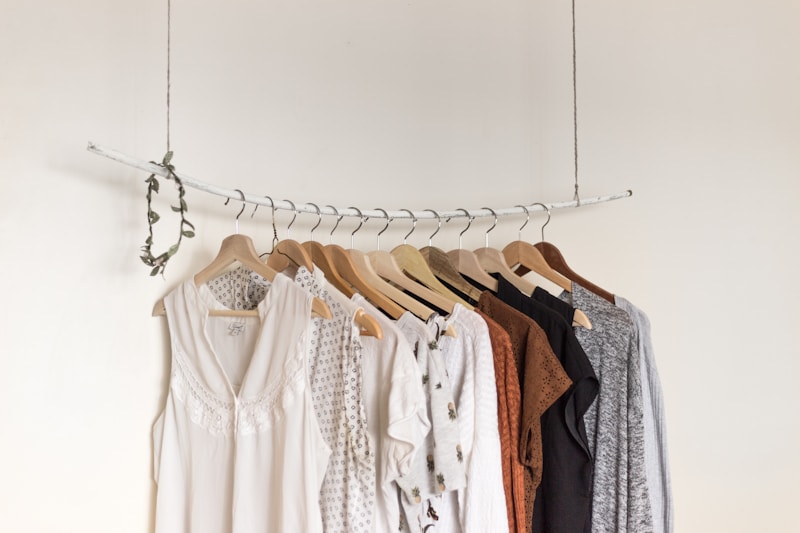
- 4-5 tops that layer and combine — 2 long-sleeve, 2-3 short-sleeve or equivalent in your climate
- 1-2 layering pieces — a structured jacket, knit cardigan, or blazer depending on your formality level
- 2 pairs of versatile shoes — one clean sneaker or loafer for smart-casual, one more casual option
- 3-4 accessories that pull outfits together — a belt, a bag, minimal jewelry or watch
The number is less important than the combinatorial math. Every bottom should work with every top. Every layering piece should work with every combination. If a piece only pairs with one other item, it is not a capsule piece — it is a dedicated outfit component that does not earn its limited wardrobe space.
Color Palette Strategy
The classic advice is neutrals only — navy, white, grey, camel, black. This produces a functional but often joyless wardrobe. A more satisfying approach is to choose two neutrals as the base and one or two accent colors that recur throughout the collection. If your accent color is forest green, every piece in that color works with every neutral. You get visual interest without losing mix-and-match functionality.
Avoid building a capsule around pure trend colors. A wardrobe centered on whatever the Pantone color of the year was will feel dated in eighteen months. Earth tones, classic cool tones, and desaturated jewel tones have longer cycles and are more likely to look right across multiple years of use.
Quality Over Quantity: Where to Spend
Not every capsule piece needs to be expensive, but the items you wear most frequently deserve your highest per-piece budget. A quality pair of dark jeans worn three times a week justifies a $150 investment far more than a rarely-worn blazer at the same price. Bottoms, everyday bags, and everyday shoes are where construction quality most visibly translates to longevity and appearance.
T-shirts, casual tops, and accessories can often come from more affordable sources without compromising the overall wardrobe quality. The silhouette and fit of a well-chosen $30 T-shirt matters more than the label, and paying premium prices for basics rarely delivers proportional value.
Final Verdict
A capsule wardrobe that works is simply a wardrobe edited down to what you actually use and love, built for your real life rather than a theoretical one. Do the lifestyle audit first, build the color palette deliberately, spend the most on highest-frequency pieces, and do the pairing math before you buy. The goal is not a smaller wardrobe — it is a wardrobe where everything earns its place.