The European Relationship with Clothing
There is a well-worn cliché about the French woman who buys ten exceptional pieces and wears them forever, and like most clichés it contains more truth than the people who repeat it most often realize. Across much of Central and Western Europe, the relationship with clothing has historically been shaped by different economic conditions and cultural values than in markets driven primarily by rapid trend cycles. The result is a different relationship with quality, longevity, and personal style.
Quality Over Quantity as Default
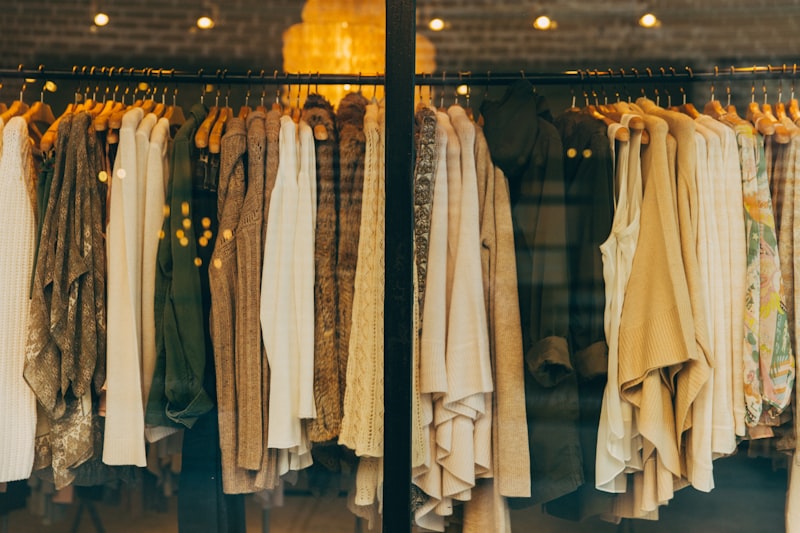
European fashion consumers, particularly in Germanic, Nordic, and Central European markets, have traditionally been more willing to invest in fewer, better-quality pieces than to buy many cheap ones. This is partly cultural and partly practical: European apartment living, with its smaller storage, makes extensive wardrobes logistically challenging. The outcome is wardrobes that are curated by necessity, and the habit of thinking carefully before each purchase that this cultivates has significant benefits for personal style development.
Department and catalog retail has deep roots in Central Europe — Ottoversand has served Austrian and German markets for decades, building a customer relationship based on trusted quality curation rather than trend chasing. The platform's longevity reflects something real about what customers in this market actually want: reliable, well-made clothing at honest prices that they can buy with confidence and expect to wear for multiple seasons.
The European Casual Standard
- A well-fitted dark jean is considered a complete casual outfit foundation — not a placeholder for real clothes
- Quality over brand visibility: European shoppers often prefer discreet craftsmanship to conspicuous logos
- Natural fibers are standard rather than premium — linen, cotton, and wool at everyday price points
- Shoes receive serious consideration and budget allocation proportionally higher than in many other markets
- Outerwear is treated as a significant seasonal investment rather than an afterthought
What the Rest of the World Can Learn
The European approach encodes a practical wisdom that shoppers in faster-moving fashion markets are increasingly rediscovering: the emotional satisfaction of owning something genuinely good that you actually wear vastly outweighs the brief hit of novelty from buying something new and mediocre. The pleasure of getting dressed is higher when the pieces you own are actually excellent. This is not an expensive philosophy — it is simply a different set of priorities about where to concentrate your clothing budget.
Classic silhouettes that do not date quickly are central to the European approach. A beautifully tailored wool coat purchased in good condition will look as appropriate in ten years as it does today — provided the construction was sound to begin with. This is the calculation that drives European shoppers toward quality-focused retailers like Ottoversand rather than the disposable end of the market, and it is a calculation that rewards patience and intentionality in a way that trend-chasing never quite manages.
Applying European Principles Practically
Adopting the European approach does not require moving to Vienna. It starts with a commitment to a simple rule: before buying any new clothing item, ask whether you can think of at least five existing outfit combinations it enables. If you cannot, it probably does not belong in your wardrobe regardless of how appealing it is in isolation. That single filter, applied consistently over a year, transforms a shopping habit from reactive to strategic and produces a wardrobe you are genuinely happy to open every morning.
The appeal of European fashion sensibility is not nostalgic — it is practical. In a market saturated with cheap, fast, and disposable, the decision to buy deliberately and wear things for a long time is both economically rational and aesthetically rewarding. The wardrobe you build through this approach tells a more coherent story about who you are than any collection of trend pieces could.